Simple Ways to Reduce Household Paper Clutter Effectively
Managing household paper clutter can feel overwhelming, but with a few simple strategies, you can keep your home tidy and organized. Excess paper often piles up quickly from mail, bills, schoolwork, receipts, and random notes. The key is to prevent the pileup before it begins and to create systems that make handling paper effortless.
In this post, we’ll explore easy ways to reduce paper clutter and maintain a neat household environment.
Why Reducing Paper Clutter Matters
Paper clutter isn’t just an eyesore—it can add to stress by making it harder to find important documents when needed. It also takes up space that could be used more effectively. By minimizing paper clutter, you can save time, reduce stress, and even help the environment by producing less waste.
Step 1: Stop Paper Before It Comes In
The best way to reduce paper clutter is to prevent it from entering your home in the first place.
Go Paperless Where Possible
– Switch to E-billing and Statements: Many companies offer digital billing and statements. Signing up for these reduces incoming paper mail significantly.
– Opt Out of Junk Mail: Visit services like the Direct Marketing Association’s website to opt out of unsolicited mail.
– Use Digital Coupons and Loyalty Cards: Instead of paper coupons, use apps and digital cards that store discounts.
Step 2: Sort and Purge Regularly
If you already have existing piles of paper, sorting and purging them is essential.
Create Categories
Set up simple categories like:
– Important documents (taxes, legal papers)
– Bills and statements
– Receipts
– School and kids’ papers
– Magazines and brochures
– Miscellaneous notes
Decide What to Keep
– Important documents: Keep only what’s necessary and scan or photograph important papers for backup.
– Receipts: Keep receipts only if needed for warranties or returns.
– Magazines and brochures: Recycle outdated materials regularly.
Schedule Regular Purge Sessions
Set a reminder to review your paper once a week or month to prevent accumulation.
Step 3: Organize Effectively
Organization systems help keep the paper you need accessible and contained.
Use a Filing System
– Label folders clearly: Categorize by type (e.g., Medical, Taxes, Bills).
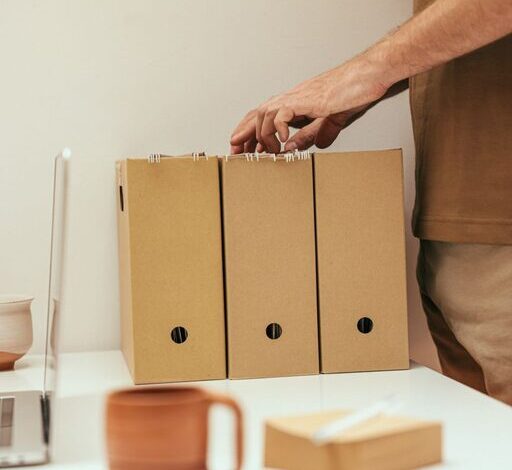
– Use portable file boxes or binders: This makes storage easy and keeps papers contained.
Designate a Paper Station
Create a central spot for incoming paper, such as a tray or inbox. Check and sort this daily.
Use Technology for Storage
Apps like Evernote or Google Drive allow you to scan and store documents digitally, reducing physical clutter.
Step 4: Limit New Paper Habits
To keep paper clutter under control, minimize new paper coming into your life.
– Opt for online note-taking instead of paper notebooks.
– Use calendars or planners on your phone.
– Avoid printing emails or documents unless absolutely necessary.
Step 5: Recycle and Dispose Thoughtfully
Don’t let old paper accumulate in trash bins where it can pile up.
– Shred sensitive documents before recycling for security.
– Have a dedicated recycling bin for paper near your work or mail area.
Bonus Tips for Families and Kids
– Encourage children to manage their school papers by having a designated folder or box.
– Display important schoolwork digitally or in a designated display area instead of keeping every piece.
– Involve the family in regular decluttering sessions to keep everyone accountable.
Final Thoughts
Reducing household paper clutter is achievable with consistent habits and simple systems. By stopping paper before it enters, sorting regularly, organizing thoughtfully, and recycling properly, you’ll create a more peaceful and efficient home environment. Start with small changes today and enjoy the benefits of a clutter-free space!