
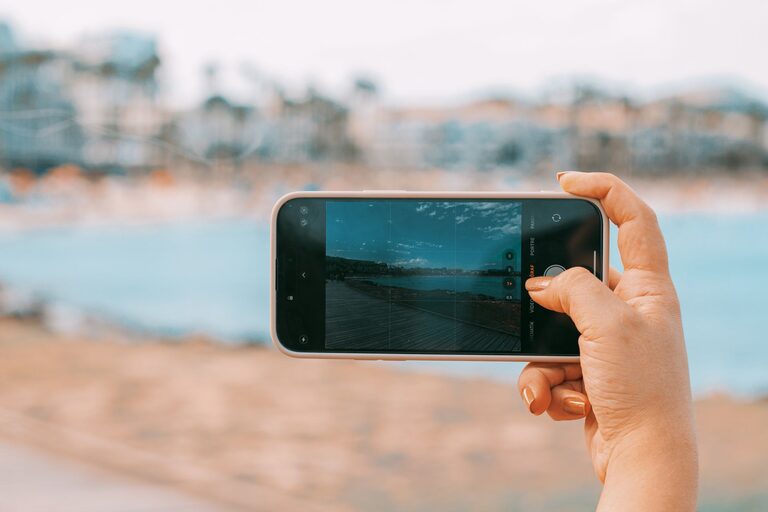
Beginner Tips for Taking Better Phone Photos
Taking great photos with your phone is easier than you might think. Whether you’re capturing memories, creating content, or just having fun, mastering a few simple techniques can make a huge difference. This guide offers beginner-friendly tips to help you take better phone photos and unlock the full potential of your mobile camera.
Understand Your Phone Camera Basics
Before diving into tricks and techniques, spend some time exploring your phone’s camera app. Look for settings like:
– Focus and exposure controls: Many phones allow you to tap on the screen to focus and adjust brightness.
– Grid lines: Enable grid lines to help compose balanced shots using the rule of thirds.
– HDR mode: High Dynamic Range helps balance shadows and highlights in tricky lighting.
– Different lenses: Some phones have wide, ultra-wide, and telephoto lenses—experiment to see how each affects your photos.
Knowing these basics gives you a solid foundation to improve your shots.
Use Natural Light Whenever Possible
Lighting is one of the most important factors in photography. Natural light usually provides the best results. Try to:
– Shoot during the golden hour (shortly after sunrise or before sunset) for soft, warm lighting.
– Avoid harsh midday sun, which can create strong shadows and highlights.
– Use shade or indirect light when shooting portraits to avoid harsh shadows on faces.
– Turn off your phone’s flash unless absolutely necessary, as it can create unnatural lighting.
Steady Your Shot
Blurry photos often result from shaky hands. To reduce blur:
– Hold your phone with both hands for better stability.
– Rest your elbows on a solid surface or brace yourself against a wall.
– Use your phone’s timer or voice trigger to avoid movement when pressing the shutter button.
– Consider investing in an affordable tripod or phone stand if you want extra stability.
Compose Your Photo Thoughtfully
Good composition can turn an ordinary photo into something special. Keep these tips in mind:
– Use the rule of thirds by placing your subject along the grid lines or intersections.
– Look for leading lines (roads, fences, shadows) to guide the viewer’s eye.
– Frame your subject with natural elements like branches or doorways.
– Avoid cluttered backgrounds that distract from the main subject.
– Experiment with different angles—try shooting from low down or from above for fresh perspectives.
Focus and Exposure are Key
Tap on your screen to focus on your subject. This ensures sharpness where you want it. After focusing:
– Adjust the exposure (brightness) by dragging your finger up or down if your phone allows.
– Lock focus and exposure if you plan to recompose the shot while keeping settings constant.
– Use portrait mode on phones that support it to achieve a blurred background effect, emphasizing your subject.
Edit Your Photos Lightly
Editing can enhance your photos, but less is often more, especially when starting out. Try free or built-in editing apps to:
– Adjust brightness, contrast, and saturation.
– Crop and straighten your photo for better composition.
– Apply filters subtly, avoiding over-processing.
– Sharpen details gently if needed.
Remember, the goal is to enhance your photo’s natural look, not to alter it dramatically.
Practice Regularly and Experiment
The best way to improve is by practicing often. Try photographing:
– Different subjects like people, nature, food, and architecture.
– Various lighting conditions—from bright sun to indoor lighting.
– Creative effects like reflections, shadows, or motion blur.
Review your photos afterward to see what worked and what you can improve. Don’t be afraid to experiment and learn from mistakes.
Use Accessories to Expand Your Capabilities
Once you’re comfortable with the basics, consider simple accessories that can help:
– Clip-on lenses for macro, wide-angle, or fisheye effects.
– Portable lighting like small LED lights for better illumination.
– Remote shutter controls or Bluetooth remotes for hands-free shooting.
These tools can add versatility and fun to your phone photography.
—
Taking better photos with your phone is all about understanding your device, paying attention to light and composition, and practicing regularly. With these beginner tips, you’ll start capturing clearer, more compelling images in no time. Happy shooting!
